
The FCA’s Durable-Medium Shift: What Advisers and Providers Need To Know
 Adam Byford


From 12 January 2026, the FCA moved to digital-by-default for relevant MiFID-derived retail-client disclosures.
For advisers, platforms, and providers, that changes the assumptions behind how regulated information is delivered, tracked, and evidenced.
This guide sets out what the durable-medium reform means in practice, why it matters, and the steps organisations can consider when reviewing their delivery controls.
For a practical checklist on delivery controls, evidence, and paper options, see our digital-by-default compliance guide.
Contents
- What the durable-medium change is
- Why it matters for advisers and providers
- Operational and compliance impacts
- Actions to take now
What Has Changed? FCA Digital-By-Default For MiFID Disclosures
In Policy Statement PS25/13, the FCA confirmed an updated Handbook Glossary definition of durable medium and made electronic communication the default mode for MiFID-derived retail client disclosures from 12 January 2026.
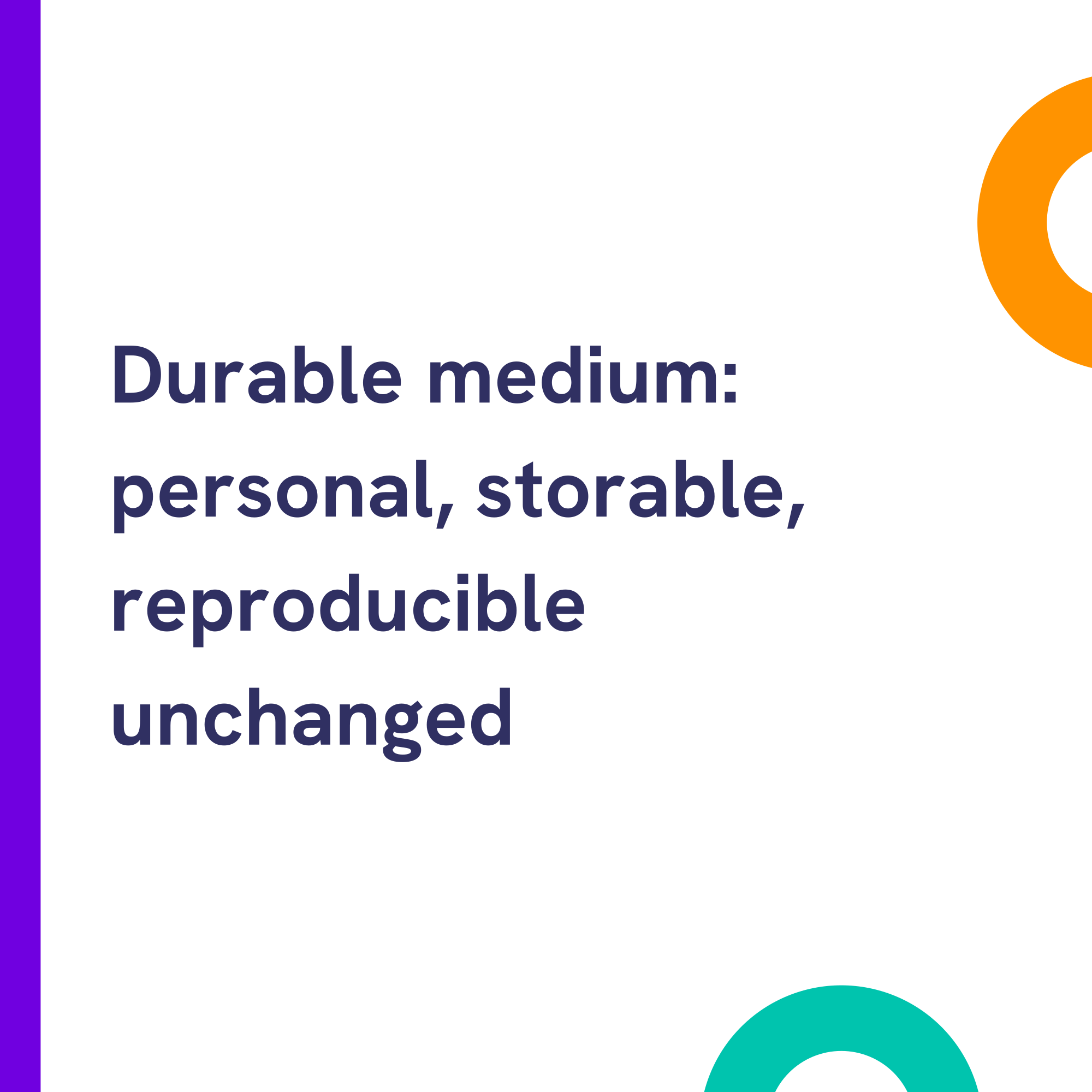
Under the FCA’s definition, a durable medium must allow the client to receive information personally addressed to them.
It must allow them to store that information for future reference.
It must allow them to reproduce the information unchanged.
The FCA's durable medium page recognises that electronic formats, including email and PDFs, can meet this standard if they satisfy these criteria.
Of course, paper does not disappear.
Firms still have to tell retail clients upfront that paper is available on request, but digital becomes the starting point for the disclosures in scope.
Why The Change Matters For Financial Services
It Confirms Digital Delivery As The Starting Point
For years, many firms treated paper or portals as the “safe” choice for durable-medium delivery and used email mainly for reminders or marketing.
The updated approach makes clear that digital channels can carry in-scope disclosures, as long as they keep information intact, under the client’s control, and available to them over time.
"Moving durable-medium expectations towards digital-by-default changes how advisers, platforms, and providers can think about client journeys end to end.
Done well, it means faster, clearer, and more secure communication for everyone involved."
Adam Byford, COO, Beyond Encryption (Mailock)
It Matches How Clients Already Manage Their Lives Online
Most clients do not wake up wanting another portal to log in to.
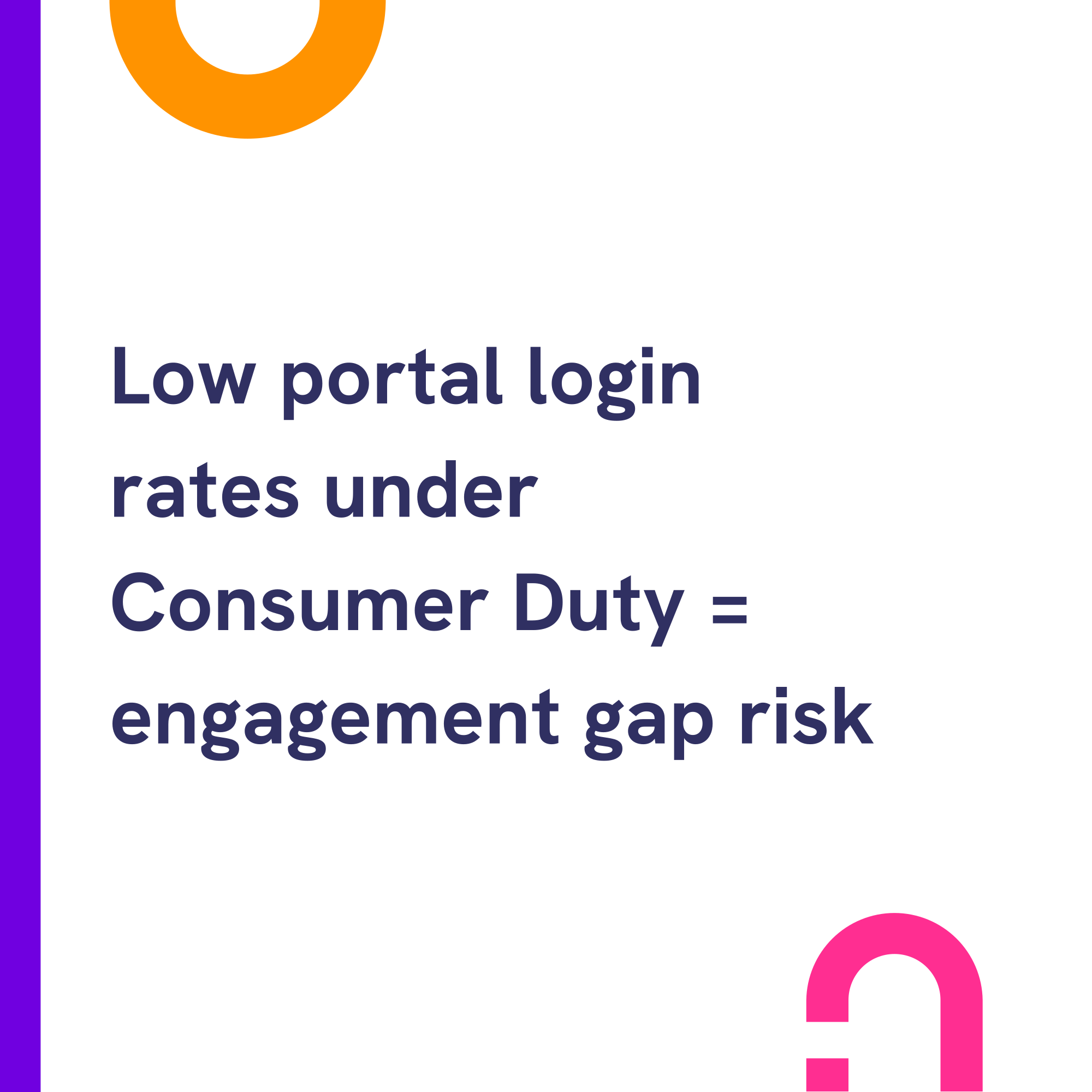
Research into portal engagement suggests that only a small minority of customers prefer portals, and fewer than one in five log in during a typical month.
Email, by contrast, is where people already watch for important updates from banks, insurers, and advisers.
Sending durable-medium disclosures to a secure inbox reduces the number of steps a client has to take between “we sent it” and “they actually saw it.”
It Supports Consumer Duty Expectations On Outcomes And Engagement
The Consumer Duty asks firms to show that customers receive, engage with, and understand key information.
That is difficult to evidence if documents disappear into a postal system or sit unread behind a portal login.
Secure email platforms can give a clearer picture, with delivery status, access logs, and timing data that help firms monitor patterns and act where engagement is low.
"When durable-medium delivery moves digital-by-default, supervisors will look for proof that clients received disclosures they can store and reproduce unchanged, not just that something left the building."
Paul Holland, Founder and CEO, Beyond Encryption (Mailock)
Firms that rely on portals alone may find it harder to show that customers engaged with the information that mattered most.
Operational And Compliance Impacts
1. Email Becomes A Realistic Route For Key Disclosures
The formal change applies to MiFID-derived retail disclosures, but durable medium appears elsewhere in the Handbook too.
Wherever the durable-medium test applies, email can be a realistic delivery option if the setup meets the FCA criteria. The PS25/13 default applies only to the relevant MiFID-derived retail-client disclosures.
In practice, that can mean a secure email setup that encrypts messages, authenticates recipients where needed, and keeps content intact in a way that clients can access and store.
2. Firms Can Reduce Print, Post, And Portal Overheads
Print, pack, and post costs have been rising steadily, taking their toll on the operational cost of scaled communications.
On top of this, digital portals have brought ongoing costs for development, security, and customer support.
Moving suitable documents to digital delivery, including secure email, can reduce these overheads and speed up delivery.
For some organisations, it can improve both cost and experience without changing the underlying products.
3. Evidence For Regulators And Auditors Becomes Easier To Produce
Being able to show what was sent, when, and to whom gives regulators and auditors far more than evidence that something was printed at some point.
Secure email platforms can keep time-stamped logs, record delivery attempts, and show when a client accessed a message.
Those records sit alongside encrypted copies of the original content, which helps with investigations, complaints handling, and internal oversight.
What Firms Should Be Doing Now
1. Check Your Email Setup Supports Durable-Medium Use Cases
If email is going to carry regulated disclosures, firms should consider whether standard, unencrypted email gives enough protection for the information involved.
Capabilities worth assessing include encryption, recipient authentication, audit trails, automated delivery for high-volume workloads, and integration with existing systems.
Those capabilities can help firms evidence how communications meet the durable-medium test if challenged.
2. Move Communication Preferences To Digital-By-Default With A Clear Paper Option
The FCA changes allow firms to treat digital as the default for in-scope disclosures, but the conversation with clients still matters.
Onboarding journeys, terms and conditions, and preference capture journeys should set expectations that disclosures will arrive digitally.
They should also explain how clients can ask for paper if needed.
3. Improve Email Data Quality And Monitoring Routines
Digital-by-default only works if messages reach the right inbox.
That means keeping up-to-date email addresses, handling bounce-backs properly, and reviewing engagement data to monitor effectiveness.
Where important messages are not being opened, firms should have a plan to follow up, switch channel, or revisit the contact details they hold.
4. Connect Secure Email To Archiving And Record-Keeping Systems
Secure emails that carry durable-medium disclosures should be treated as part of the firm’s official record.
Most platforms can export or mirror messages into an archive in a tamper-resistant format.
Some are designed to retain audit trails that can support FCA-related record-keeping needs.
Connecting those dots early avoids gaps between client communication systems and compliance tools later.
For a practical walk-through of sending suitability reports and review packs securely, including what delivery and access records show, see Sending Suitability Reports and Review Packs Securely, and Evidencing Delivery.
5. Preparing People And Clients For The Shift
Front-line agents or advisers will often be the ones explaining the change to customers, so they need simple, confident answers.
They should know which communications are moving to digital, what a customer will see when they receive them, and how to help if the process goes wrong.
A clear campaign that sets out why secure email is being adopted can reduce confusion and build trust.
FAQs
Can Advisers Use Secure Email for All Client Documents Now?
Advisers can already use secure email for many client communications, provided the platform supports encryption, access control, and record-keeping in line with the rules that apply.
For relevant MiFID-derived retail-client disclosures, the durable-medium change makes digital delivery a default route rather than the exception.
Does a Client Need to Opt in to Digital Delivery?
No. Digital-by-default is permitted for the disclosures in scope, but firms still have to tell retail clients that paper is available and provide paper free of charge when a client asks for it.
Will This Replace Client Portals Entirely?
Unlikely. Portals still have a role for document storage, self-service, and transactional journeys.
The difference is that secure email can take the lead in sending time-sensitive or high-importance documents that require prompt action.
What About Vulnerable Customers and Those Who Struggle with Digital Channels?
Digital-by-default does not remove firms’ responsibilities towards vulnerable customers.
Paper and alternative formats remain important, and firms should be ready to adapt the channel or provide extra support where digital delivery is not appropriate.
References
Policy Statement PS25/13: MiFID Organisational Requirements, Financial Conduct Authority, 2025
Durable Medium - Handbook Glossary Definition, Financial Conduct Authority, 2023
Consumer Duty: Finalised Guidance FG22/5, Financial Conduct Authority, 2022
Customer Portals and Login Preferences, Beyond Encryption Research, 2024
Reviewed by
Sam Kendall, 16.10.26
Read our editorial policy.
This content is for general information only and is not legal advice.
|
Originally posted on 01 12 25
With over 30 years in financial services and tech, Adam is a recognised expert and innovator. He leads our core commercial operations. |
Email Series
Subscribe to

Subscribe to Privacy Decoded, our monthly email briefing about privacy, digital trust, and the forces shaping our online world.
 Previous post
