Features > Identity checks
Send an ID, KYC, or AML check by secure email
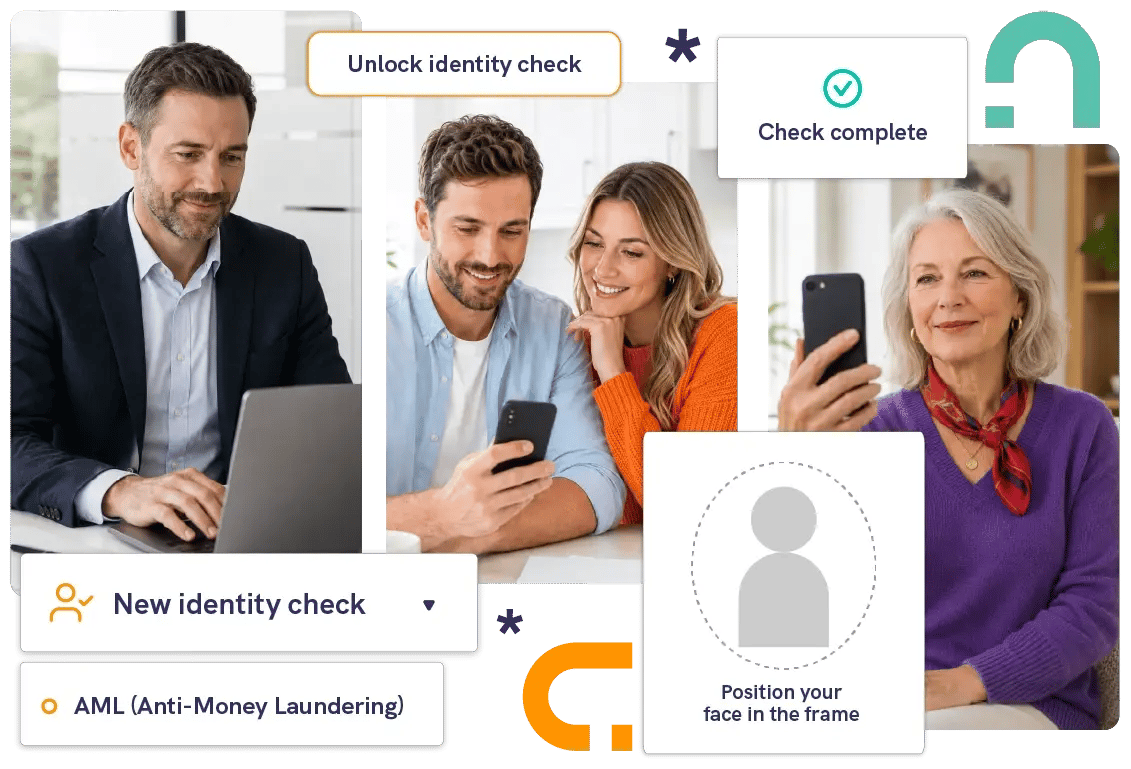
Send ID, KYC, and AML checks from Outlook or the Mailock web app, right to your client's inbox. Reduce fraud risk, protect sensitive communications, and support compliance within one secure platform.
From 99p per check





Why Mailock
From request to results, without leaving the inbox
Use the secure email workflow you already know instead of sending clients to another portal to complete checks. They don't need a new account or app, and the results pack is returned to you by secure email too.
- Start checks from Mailock for Outlook or web
- No new account or app for your client
- Receive the results by secure email
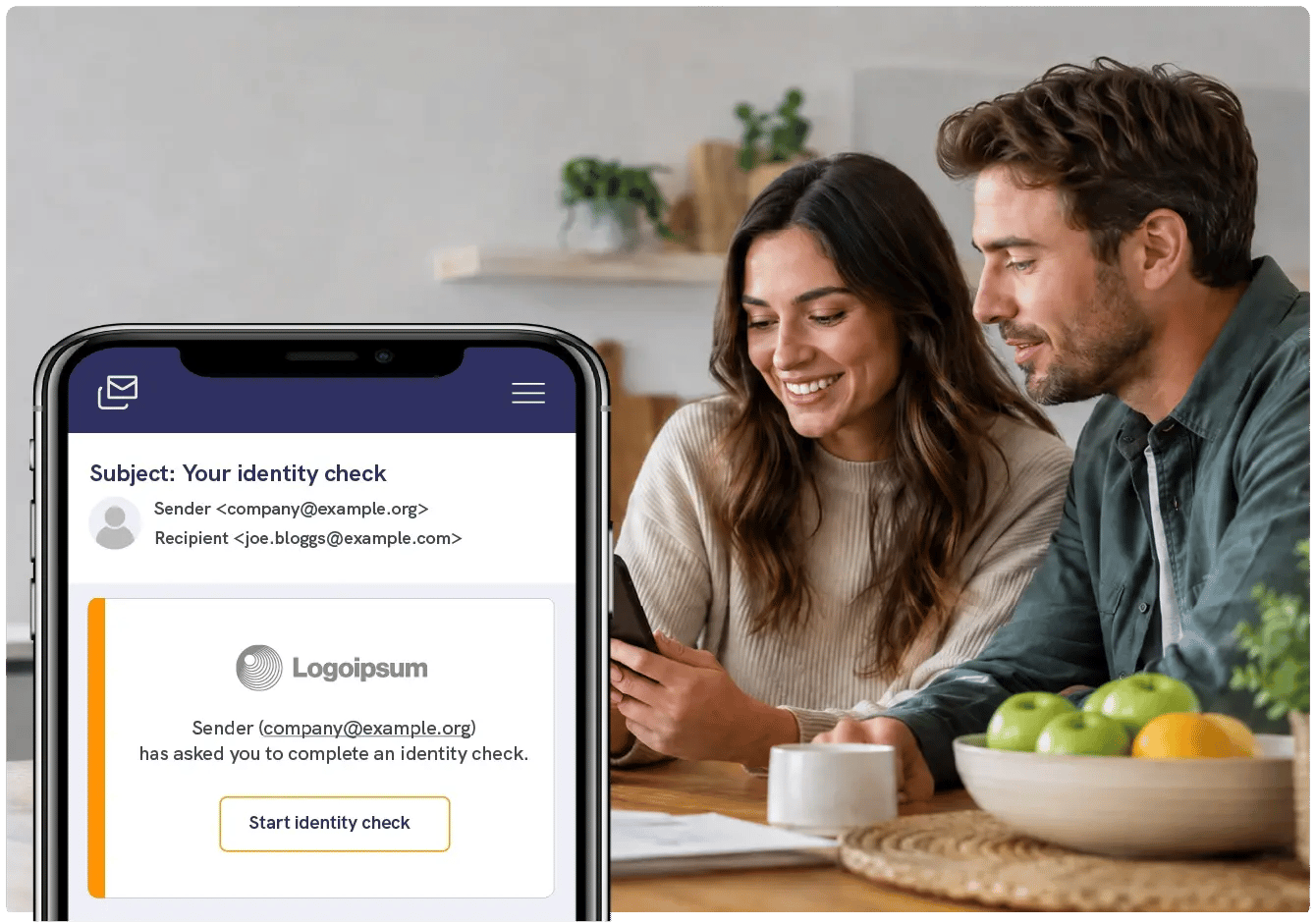
1. Set up the check
Choose an ID, KYC, or AML check and send the request from the Mailock Outlook add-in or web app.
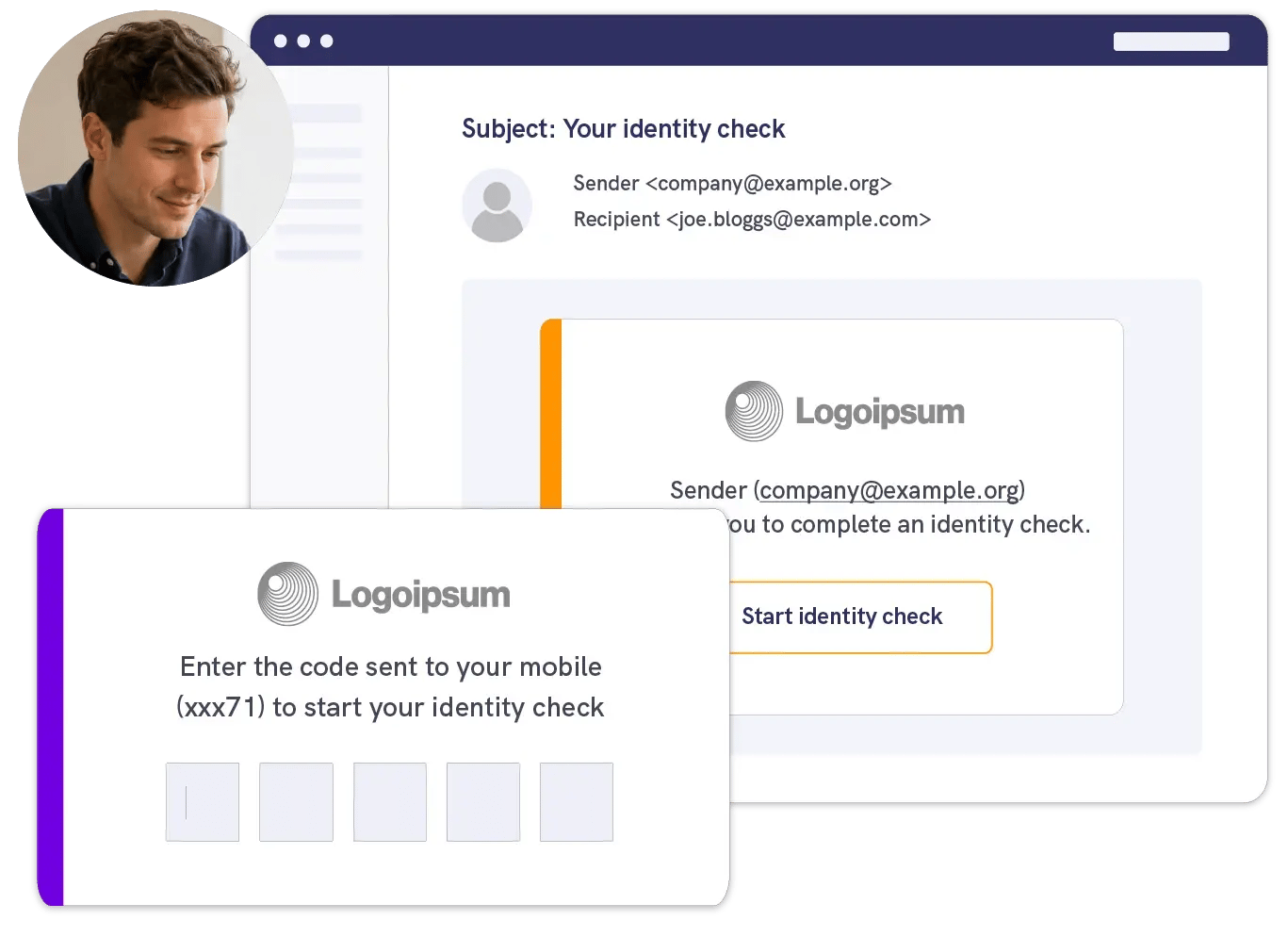
2. The client completes it
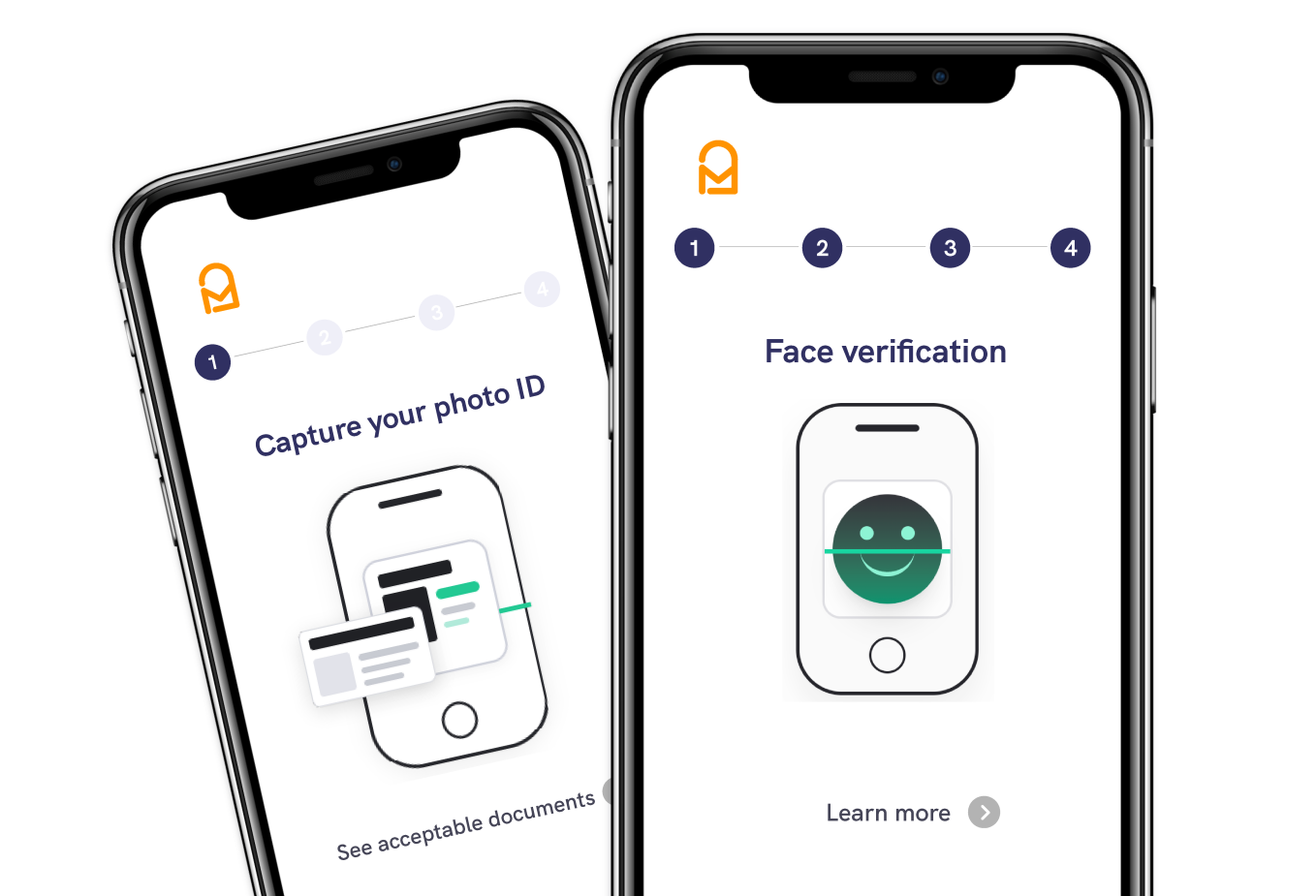
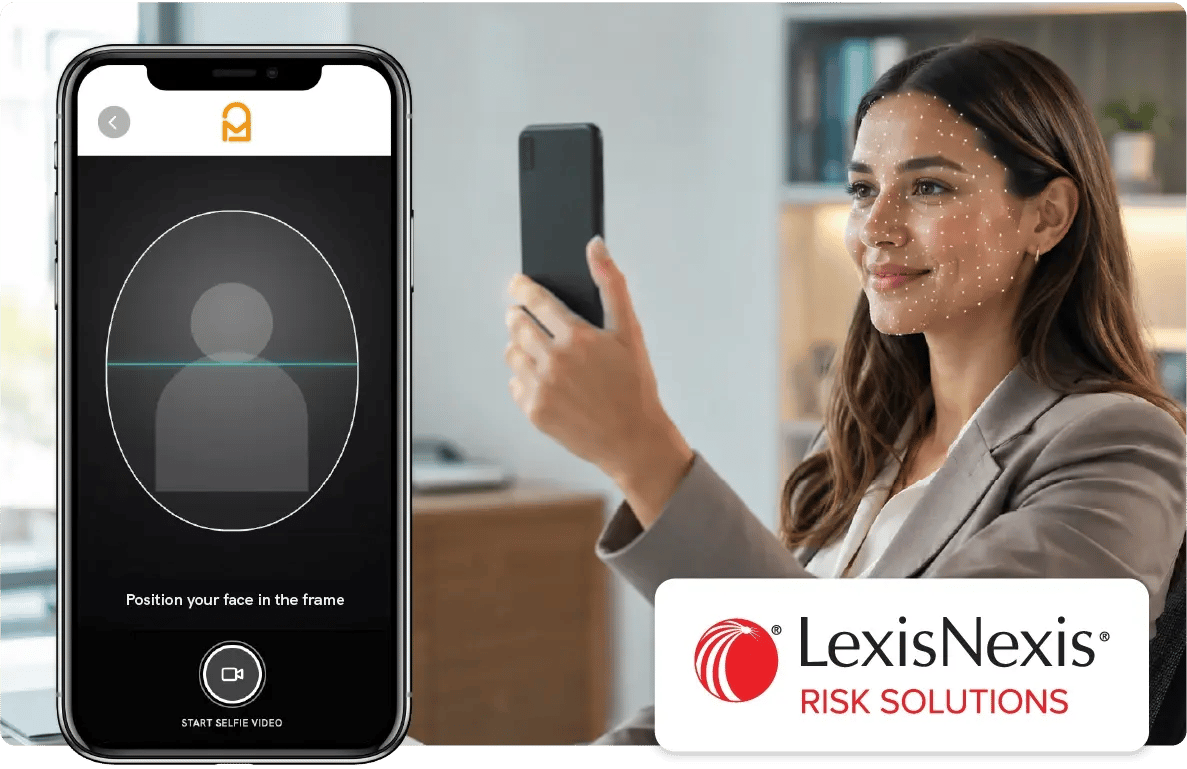
Your client opens a secure email, enters a code sent to their phone by SMS, then photographs a supported passport or driving licence and takes a live selfie. There is no account to create or app to install.
3. Review the results
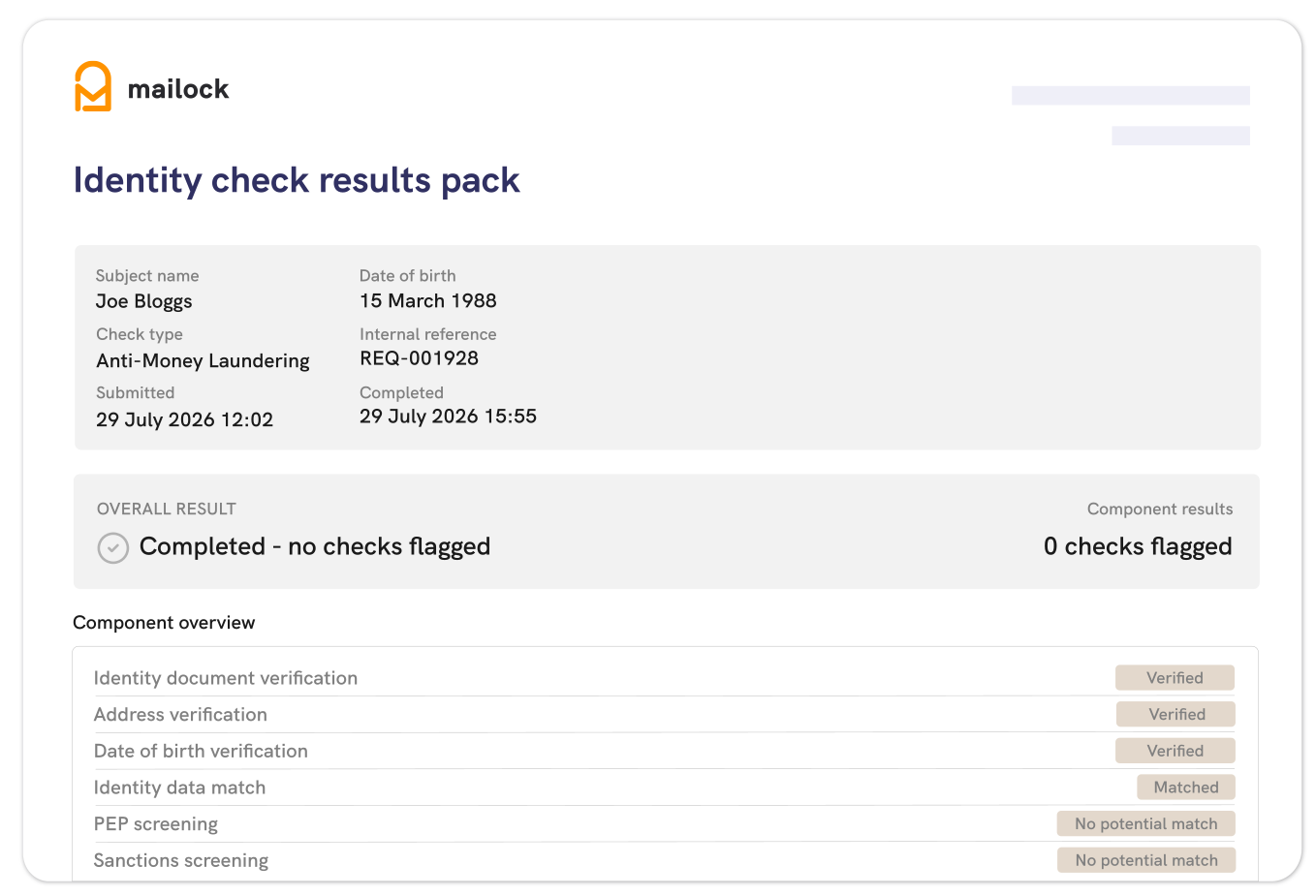
The comprehensive results pack and copies of any identity documents are returned to you by secure email to review.
Enterprise customers can arrange for results to be transferred securely into a CRM or document system.

ID (Identity Document)

KYC (Know Your Customer)

AML (Anti-Money Laundering)
Trusted technology
Established identity technology, built into Mailock
Mailock brings LexisNexis® Risk Solutions technology into a familiar secure email workflow. LexisNexis® IDVerse® authenticates the identity document and runs liveness and face-match checks. LexisNexis® IDU® corroborates customer details and carries out PEP and sanctions screening.
IDVerse® provides 99.998% face-match accuracy and IDU® draws on more than 2.85 billion UK consumer data points. The results come together in a clear, comprehensive pack for your team to review.

Financial services firms
Firms covered by the Money Laundering Regulations must identify and verify customers when starting a business relationship, repeat due diligence when required, and keep customer information up to date.

Other regulated professionals
Many solicitors, accountants, tax advisers, estate agents and other regulated professionals must apply risk-based customer due diligence when the Money Laundering Regulations require it.

Other UK businesses
Every UK business must comply with financial sanctions. Screening can help identify designated people, while identity checks can support decisions before transactions or other sensitive, high-risk actions.
Flexible by design
Match the check to the journey
For most businesses, the simplest route is to send a check by secure email.
Enterprise customers can embed identity checks into form journeys, use a completed identity check as a gate to secured content, or route results securely into a CRM or document system.


Talk to us
Explore identity checks with our team
Book a demo to see Mailock and discuss how ID, KYC, and AML checks could fit your workflows.

From ‘We Sent It’ to ‘We Know Who Received It’, in One Trusted Customer Journey
Mailock and LexisNexis® Risk Solutions connect customer data, LexisNexis® IDVerse® identity verification, and secure delivery in one customer journey.
.png?width=600&height=400&name=Adviser%20meeting%20clients%20(1).png)
Which Identity Check Do You Need? ID, KYC, or AML
ID, KYC, or AML? A practical guide to what each identity check covers, which one fits common client situations, and what firms in each sector do.
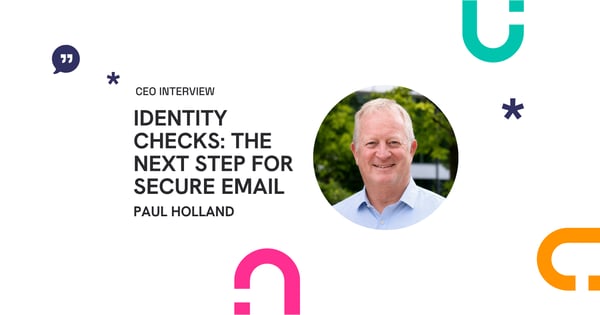
Identity Checks: The Next Step for Secure Email
Founder Paul Holland explains why identity checks belong in secure email journeys and how firms can use stronger evidence at higher-risk moments.