Need to Know blog
Guides, interviews, and analysis on secure customer communications.




Beyond Compliance: Building Employee Trust through Secure HR Communications
Discover how secure HR communications build employee trust, meet GDPR, and protect sensitive data with best practices and ICO guidance.
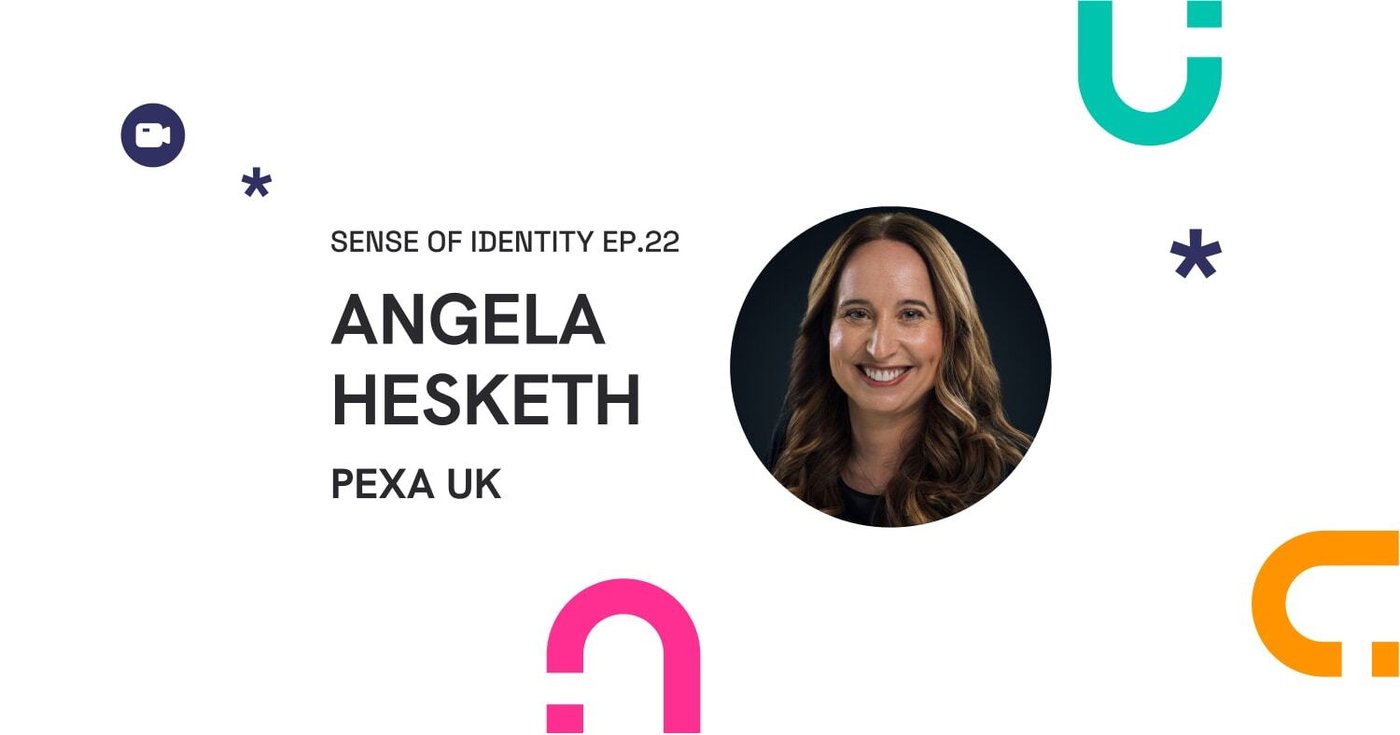
Real-Time Conveyancing: How PEXA Is Changing the UK Market
Angela Hesketh of PEXA shares how Australia’s digital conveyancing success can help the UK tackle delays, reduce stress, and...

Human Error, Email, and the New Era of Cybersecurity
Human error is the top cause of email breaches. Learn how human risk management, secure email, and better design help regulated...
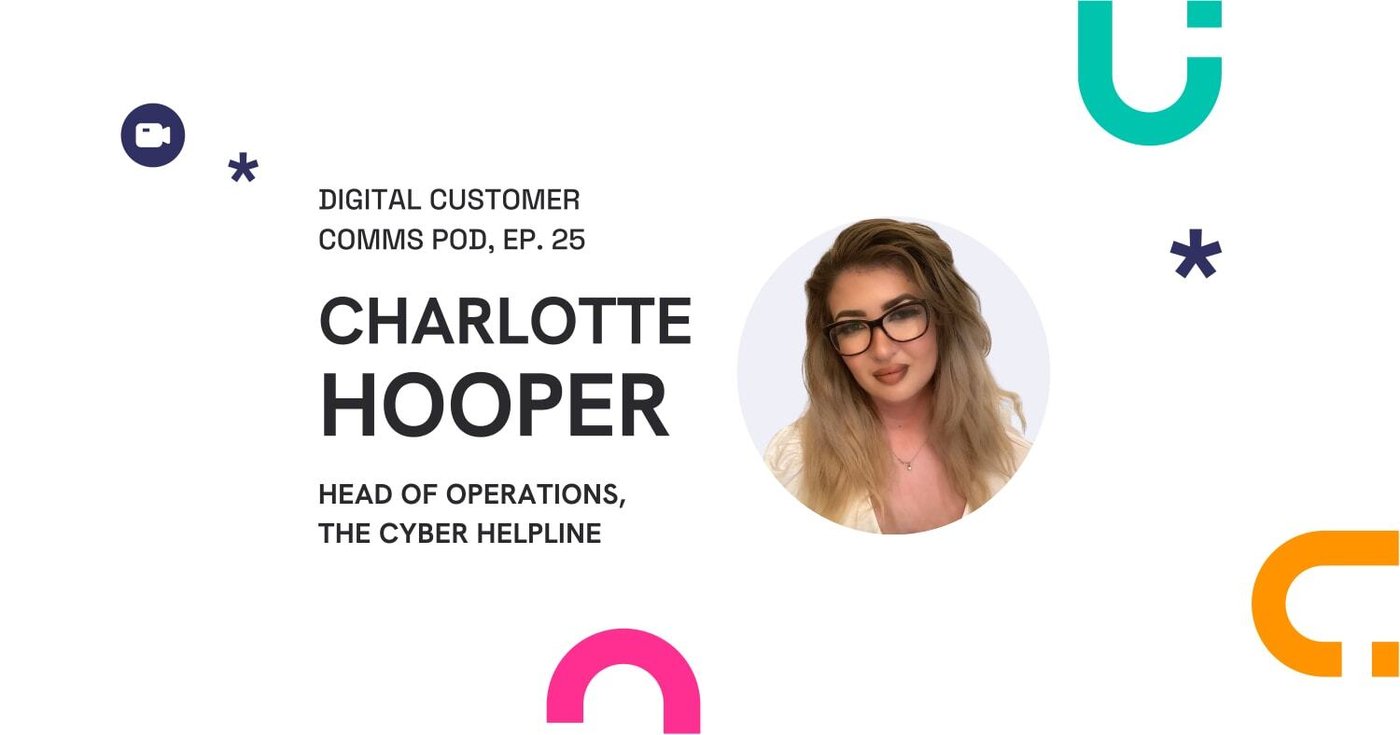
Your Customer’s Worst Day: How to Be Ready When Cybercrime Hits
Learn how to support customers during cybercrime crises with empathy, clarity, and practical...

What Is a Passkey and Is It Safe?
Learn what passkeys are, how they work, and why they could offer a safer, faster alternative to...
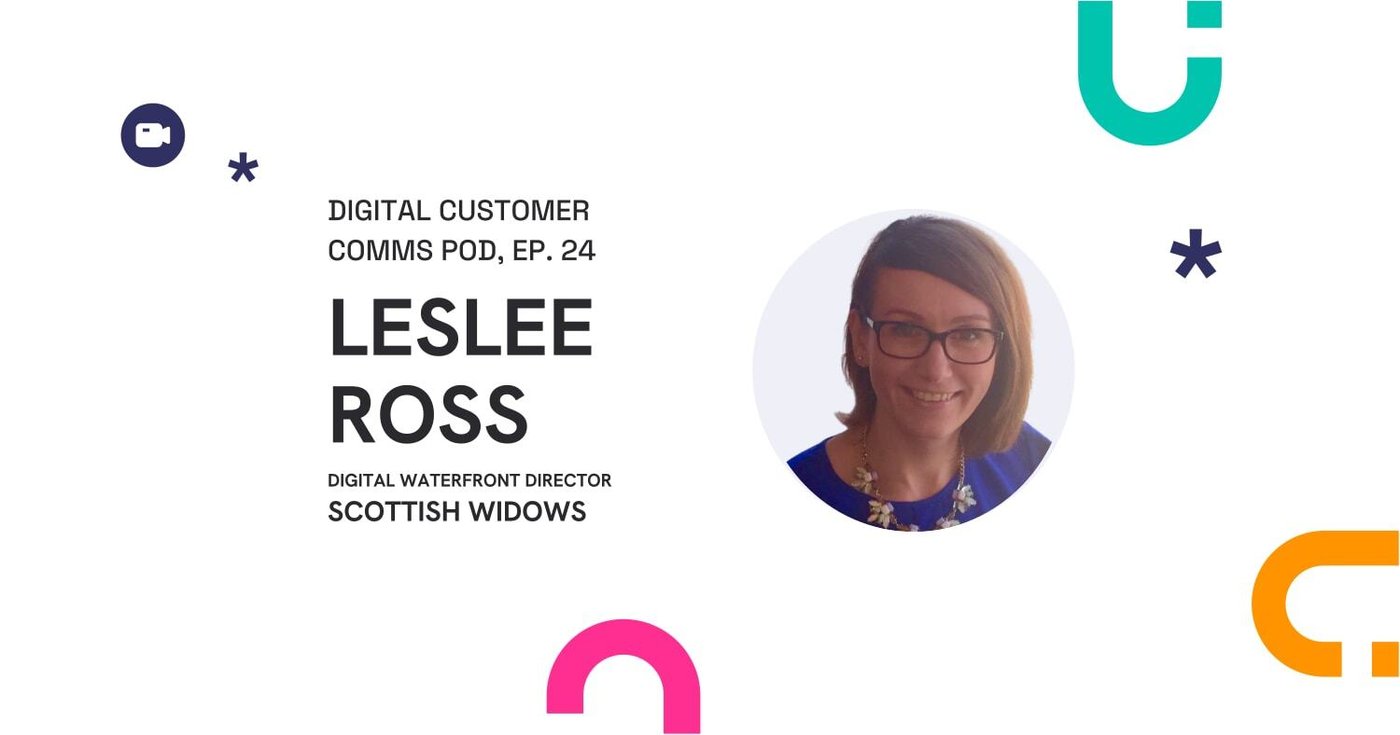
Scottish Widows’ Digital Transformation: Customer Experience at Scale
How Scottish Widows is transforming their financial services with digital innovation, enhancing...
Email Series
Subscribe to
Subscribe to Privacy Decoded, our monthly email briefing about privacy, digital trust, and the forces shaping our online world.


A Guide To Choosing The Best Email Provider for Financial Services
Compare Gmail, Outlook, Zoho, Yahoo, and Titan for financial services email,...

Secure Messaging Showdown: Comparing Tools for Private Digital Comms
Compare Signal, WhatsApp, Telegram, Proton Mail, Microsoft Purview, Mailock,...

Secure Email on a Budget: Free Options Compared
Compare the free tiers of Mailock, Proton Mail, and Tuta: encryption, recipient...
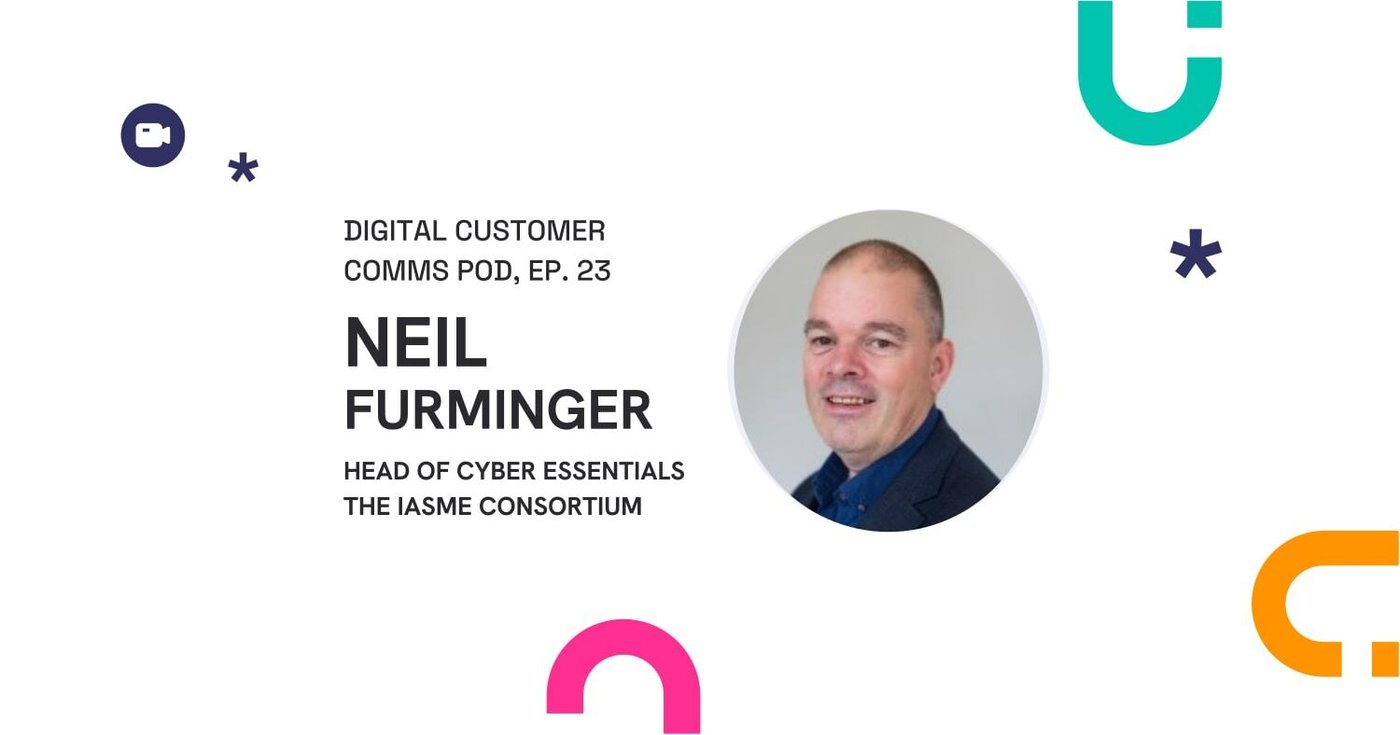
Cyber Security: Getting the Essentials Right With IASME
Neil Furminger from IASME explains Cyber Essentials, common control gaps, and...
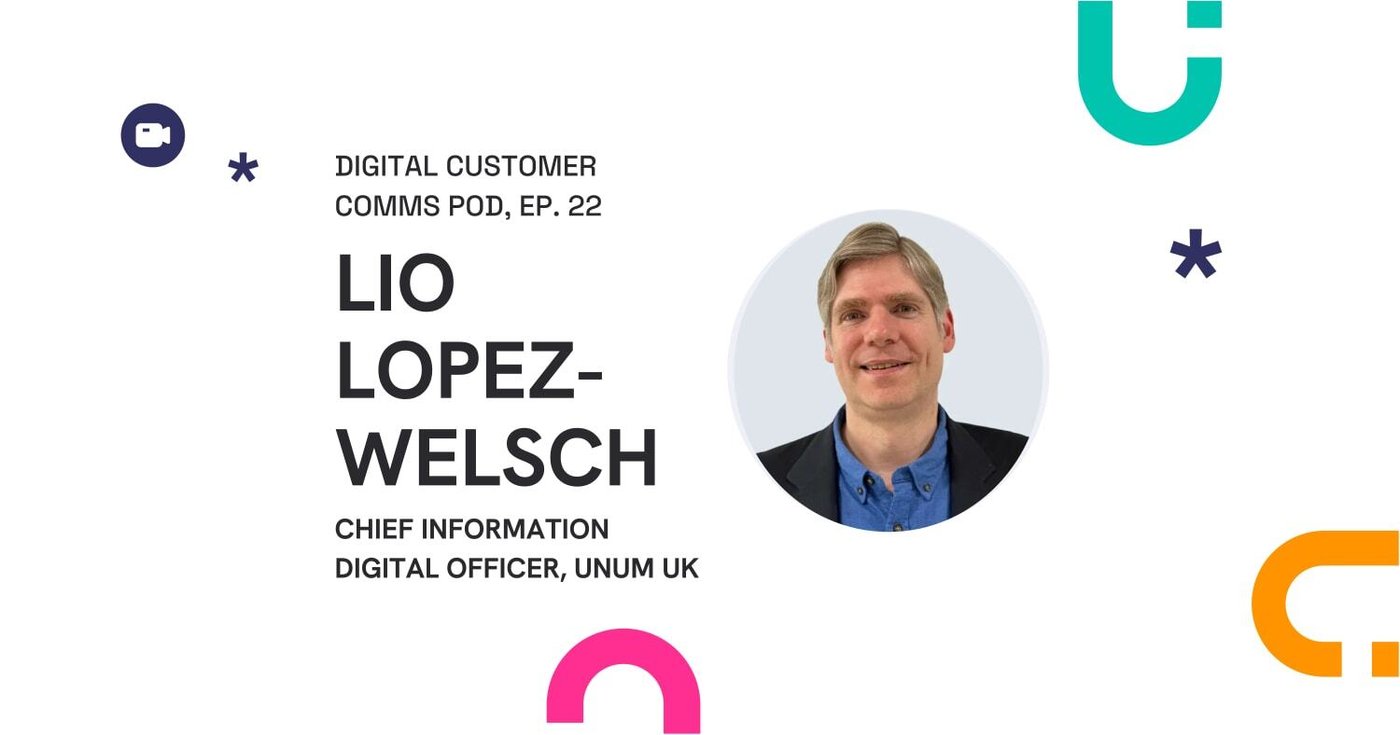
Digital Experiences for All: How Unum Supports the Modern Workforce
Lio Lopez-Welsch explains how Unum designs role-based digital experiences for...
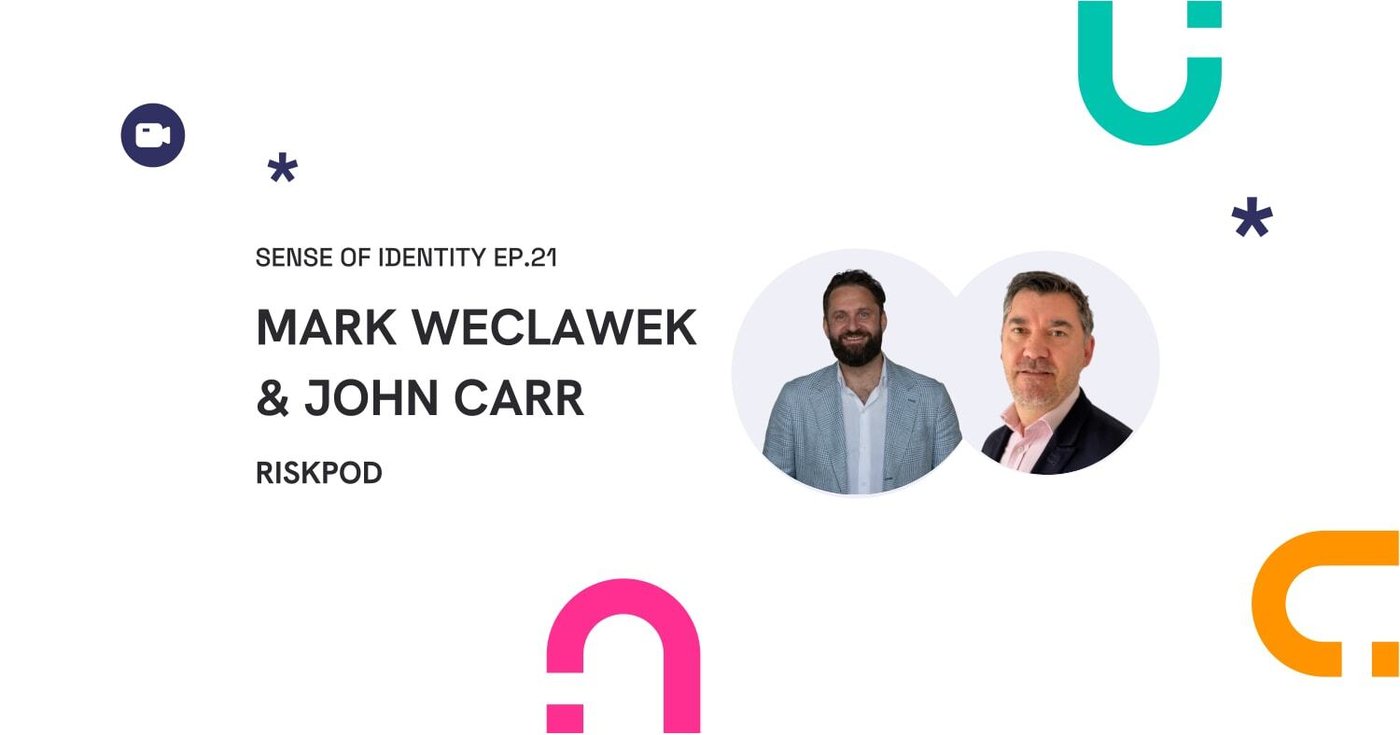
Remediation, Regulation, and Risk: Inside the Mission of RiskPod
RiskPod's Mark Weclawek and John Carr discuss why regulatory remediation keeps...


Need to Know blog is published by Beyond Encryption. Editorial policy